How Forklifts Drive Efficiency in Warehouses, Retail & Construction
In fast-paced industries like warehousing, retail, and construction, efficiency isn’t just an advantage—it’s a necessity. From managing heavy inventory to navigating complex job sites, forklifts are the workhorses behind smoother, safer, and more profitable operations.
At Interglobe Alliance, we help businesses across Canada and beyond harness the full potential of forklifts through advanced solutions and unmatched support.
Rising Demand: Why Forklifts Are More Essential Than Ever
Forklift technology is evolving fast—because the demands on your operations are evolving too.
The Canadian forklift market is projected to grow from USD 780 million in 2024 to significantly higher by 2033, fueled by e-commerce, construction booms, and automation.
Electric forklifts with lithium-ion batteries now dominate warehousing due to lower emissions and cost savings.
Telematics, smart sensors, and predictive maintenance are reducing downtime and extending equipment life.
Autonomous forklifts are emerging in construction, adapting to rough terrain and minimizing human error.
Whether you run a logistics center or manage retail inventory, staying current with forklift tech means staying competitive.
Sector Focus: Where Forklifts Deliver Maximum Value
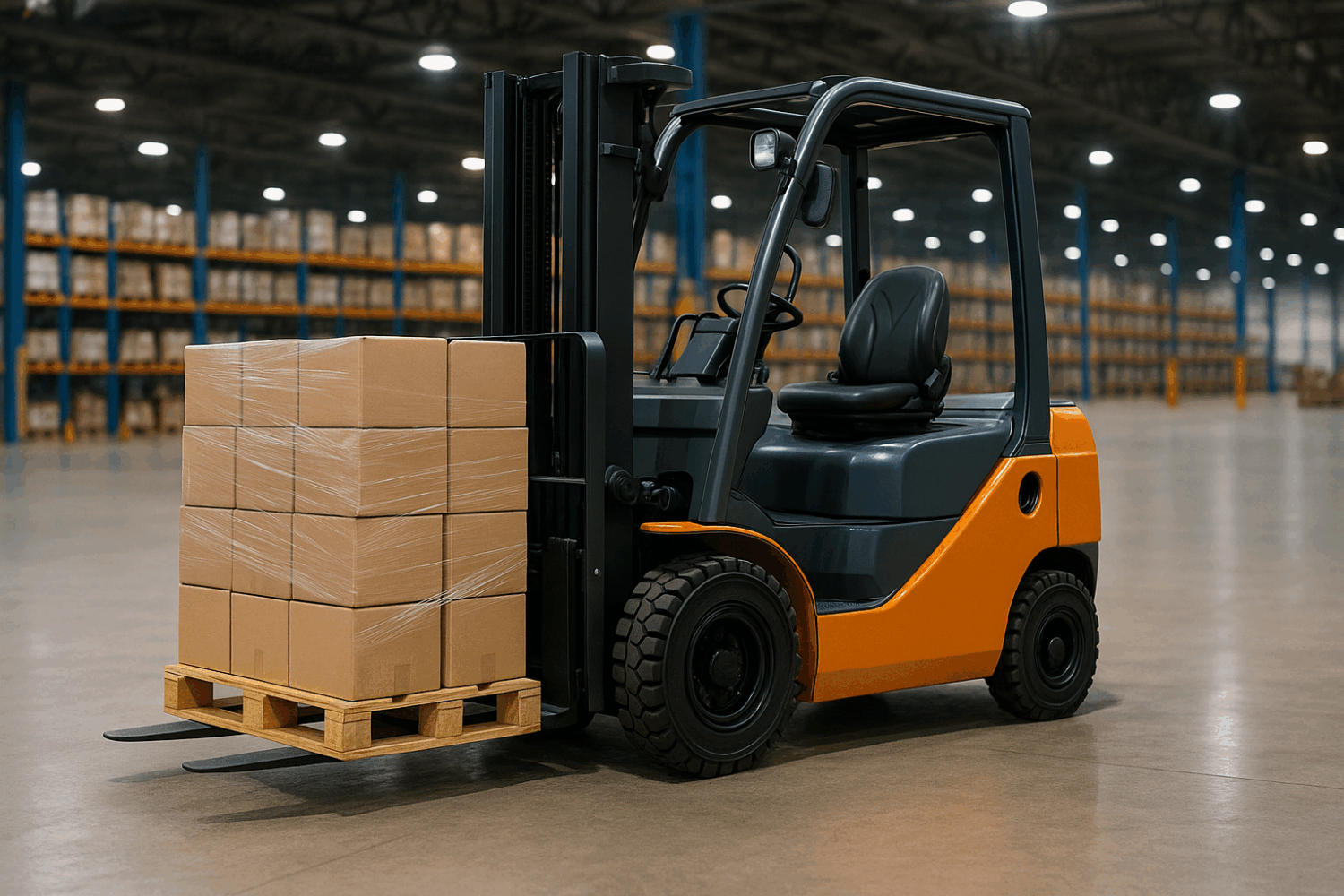
Warehousing & Logistics
Forklifts are mission-critical in warehouse environments:
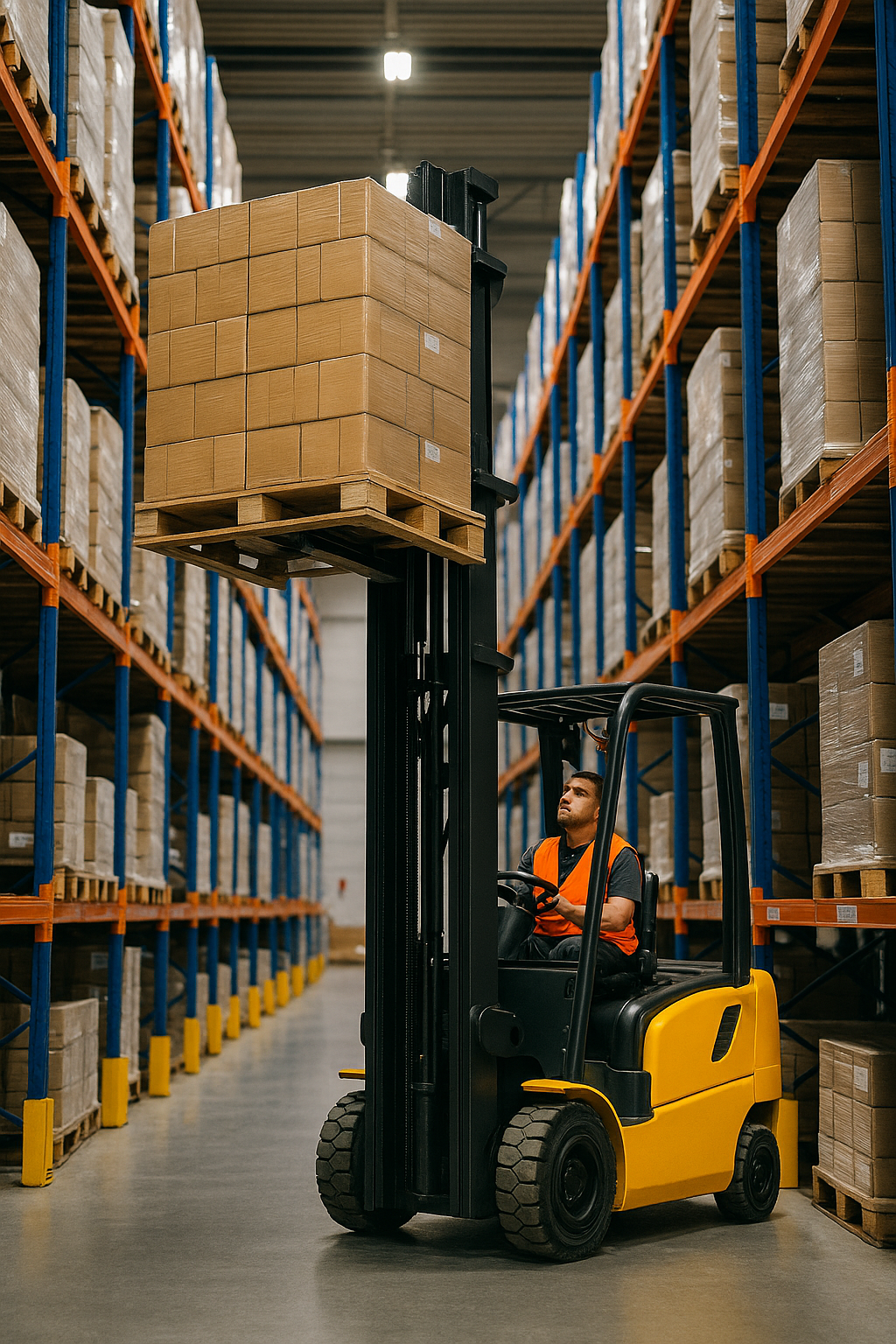
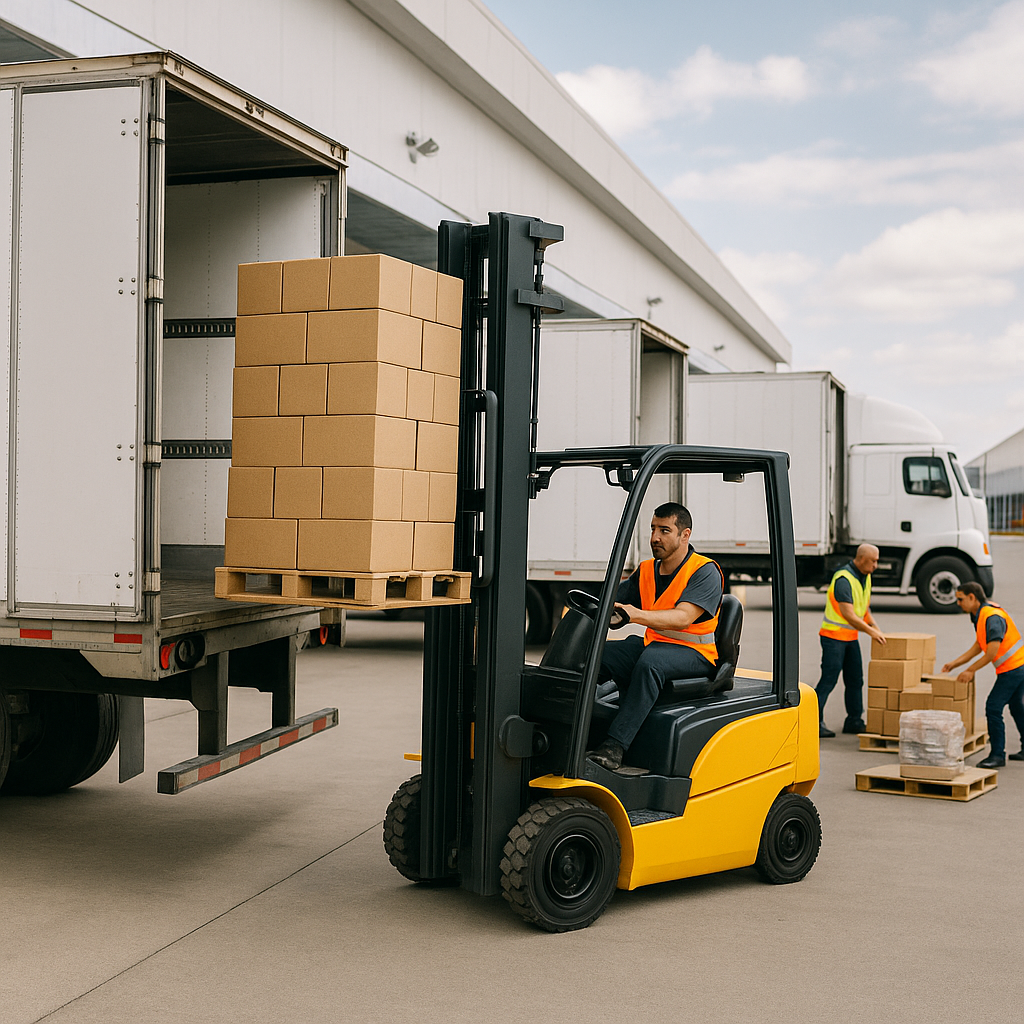
Moving pallets, unloading trucks, stacking to high racks.
Narrow-aisle forklifts improve space utilization.
Integrated fleet monitoring boosts uptime and tracks performance in real time.
Retail & Distribution Centers
In retail, speed and accuracy drive profits:
Forklifts move goods from dock to shelf faster.
Handle backroom storage and seasonal inventory surges.
Useful for large-format stores and multi-location chains balancing tight delivery windows.
Construction & Job Sites
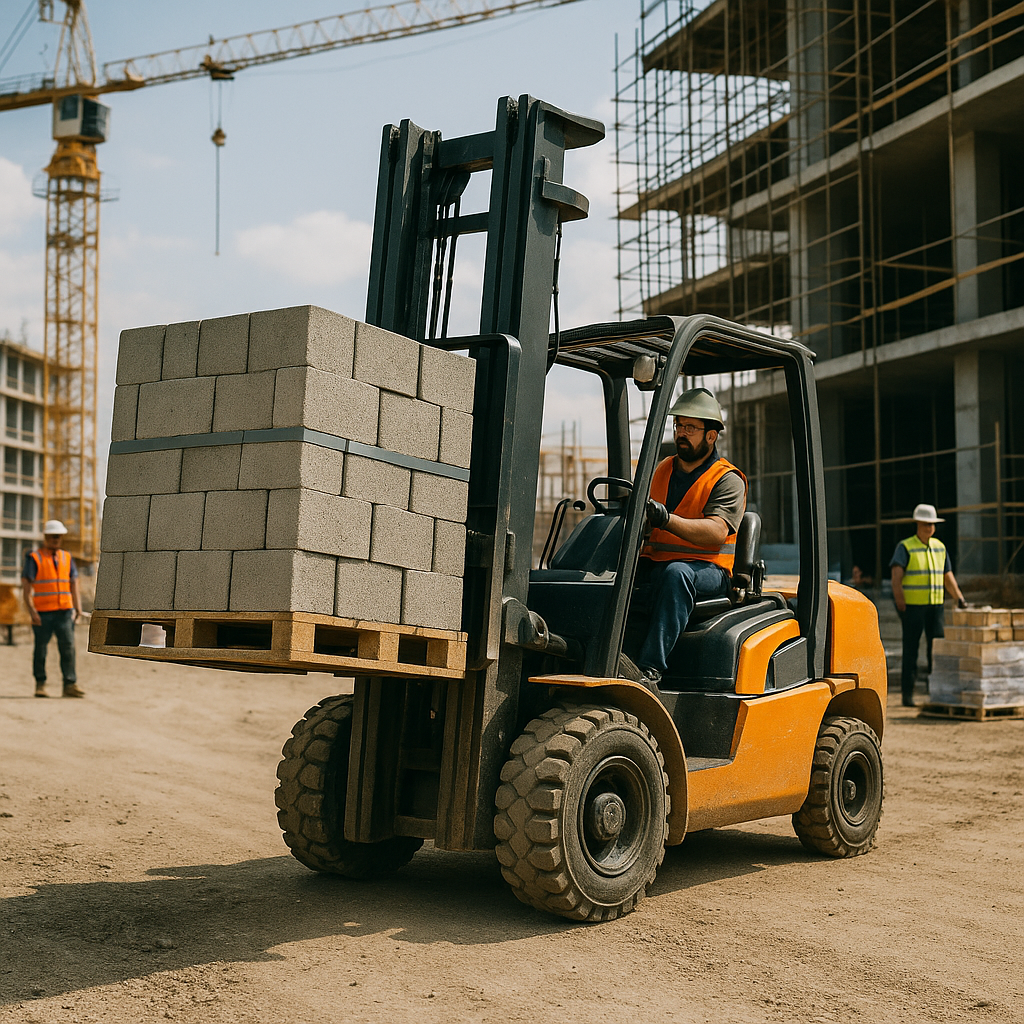
Construction forklifts take on unique challenges:
Telehandlers and rough-terrain models navigate debris, slopes, and outdoor elements.
Autonomous forklifts, like the ADAPT system, are changing the game by improving safety and precision on uneven ground.
Key Benefits: How Forklifts Supercharge Your Operations
✔️ Time Savings: Cut loading/unloading time dramatically. ✔️ Labor Efficiency: One machine = multiple workers’ output. ✔️ Cost Control: Lower fuel usage, reduced damage, minimal downtime. ✔️ Scalability: Scale operations during peak seasons or expansion. ✔️ Workplace Safety: Fewer injuries, stronger compliance, better visibility.
How to Choose the Right Forklift for Your Business
Your needs will vary—but here’s what matters:
Power Type: Electric (indoors) vs Internal Combustion (outdoors, heavy-duty).
Load & Lift: Match forklift capacity with the heaviest load and height.
Space Constraints: Narrow aisles? Go with compact or reach trucks.
Environment: Choose rugged models for outdoor or construction use.
Smart Features: Look for GPS, sensors, impact alerts, and data logging.
Safety & Maintenance: Best Practices That Pay Off
To maximize uptime and minimize risk:
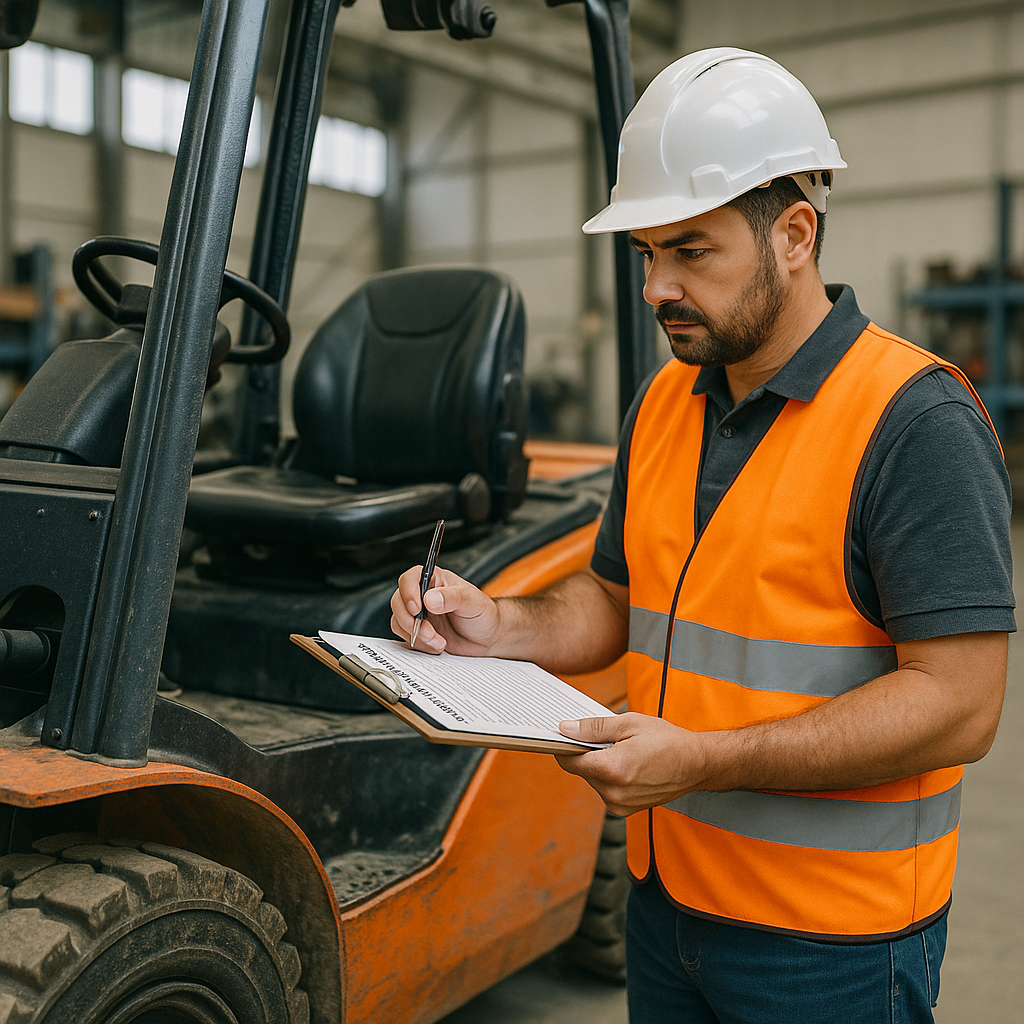
Perform daily inspections and scheduled preventive maintenance.
Train operators thoroughly—certified users reduce incidents by over 70%.
Invest in smart sensor systems (like IMUs) to detect early signs of failure or misuse.
What’s Next: The Future of Forklifts in 2025 and Beyond
Looking ahead, expect:
Wider use of autonomous forklifts across job sites.
Faster, greener electric models with rapid charging.
Seamless integration with warehouse robotics and AI-driven dispatch systems.
Staying ahead means aligning with the right partner—Interglobe Alliance is ready when you are.
Frequently Asked Questions (FAQs)
What’s the cost of a forklift in Canada? Costs range from CAD 20,000 to 60,000+, depending on specs, power, and features.
Which forklift is best for construction sites? Telehandlers and rough-terrain forklifts are best for uneven surfaces and heavy outdoor loads.
How often should a forklift be maintained? Inspect daily, and conduct professional servicing every 250-500 hours of use.
What’s better: electric or gas-powered forklift? Electric forklifts are ideal indoors and lower in maintenance; IC forklifts work better outdoors and for heavy-duty use.
Can forklifts operate in extreme environments? Yes—with the right tires, enclosures, and maintenance plans, they’re built for heat, cold, dust, and rough terrain.
Want to optimize your forklift operations? Let’s get started today.